Atlanta real estate can feel fast paced and full of surprises, but the best outcomes come from a clear local plan that ties market signals to practical actions. Whether you are looking at homes for sale in Atlanta or preparing to sell a property, this guide delivers evergreen strategies that work across market cycles and neighborhoods.
What makes Atlanta different right now
Atlanta blends strong job growth, varied neighborhood character, and a wide geography of intown and suburban options. That mix creates pockets of intense demand alongside overlooked opportunities. Pay attention to where new employers, transit projects, and small-business openings are clustering because those local signals often translate into rising home values long before headlines change.
For buyers: a durable checklist to find the right Atlanta home
1. Confirm affordability beyond the mortgage payment. Factor property taxes, homeowner association fees, insurance and likely maintenance for Atlanta homes of similar age and lot size.
2. Get preapproved and lock your search criteria. Preapproval makes offers cleaner and faster in competitive Atlanta neighborhoods. Know whether you need flexible workspace, outdoor space, or proximity to transit and schools.
3. Use localized comps not citywide averages. Two blocks can show very different price trends in Atlanta. Look at closed sales in the same submarket over the last 90 days to understand current value.
4. Prioritize inspection items that often affect resale in Atlanta: roof condition, HVAC lifecycle, drainage and sump pumps, and any indications of past water intrusion. Ask about foundation history on older intown homes.
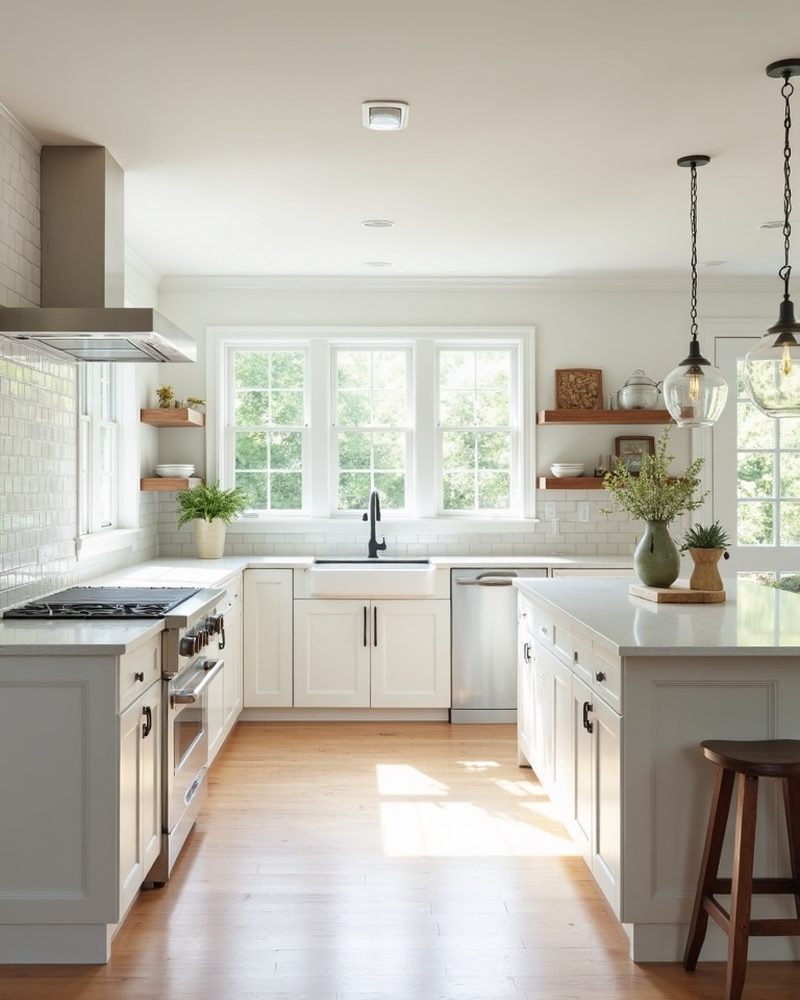
5. Consider resale from day one. Choose features Atlanta buyers consistently demand such as updated kitchens, offstreet parking, usable outdoor space, and energy efficient systems. These features help preserve value even if you move sooner than planned.
For sellers: simple upgrades and a pricing play that outperforms
1. Price to the submarket not the county. Sellers who use broad Atlanta averages often misprice homes and lose showing momentum. Start with 3 to 6 comparable closed sales in the same neighborhood and adjust for condition and lot size.
2. Invest where you get the most return. Focus on first impressions: curb appeal, neutral paint, and a decluttered interior. In many Atlanta neighborhoods modest landscaping, new light fixtures, and carpet replacement or refinishing floors can move a listing from stale to compelling.
3. Stage for the likely buyer. Intown buyers often want low-maintenance and walkability. Suburban buyers may value dedicated workspaces and family-friendly yards. Tailor staging to who will realistically compete for your property.
4. Build a marketing momentum plan. Use high-quality photos, floor plans, and virtual tours plus targeted local advertising to reach buyers already searching in your area. Quick, well-priced listings that get early traffic tend to close faster and with fewer concessions.
For investors: local rules and durable returns
Atlanta offers a range of opportunities from long-term rentals to accessory dwelling units. Before you buy, verify local zoning, short-term rental regulations, and neighborhood demand for the type of product you plan to operate. Consider cashflow and replacement reserves for older homes where deferred maintenance can erode returns.
How to read neighborhood signals that matter
- Building permits and business licenses: growth here often precedes price gains.
- Infrastructure projects and transit improvements: these change daily commute math and attract new buyers.
- New restaurants and retail: ground-floor retail activity often signals increasing desirability for surrounding housing. <
