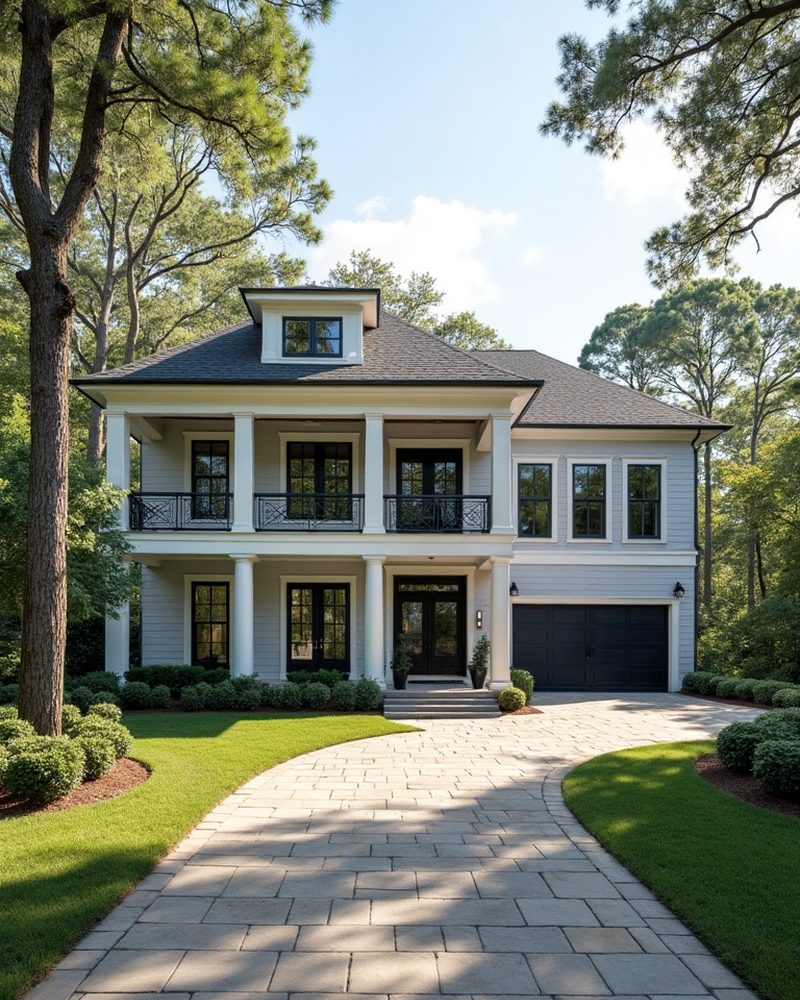
The Atlanta real estate market can feel fast and unpredictable, but the homes that hold value and sell quickly share consistent traits. Whether you plan to buy or sell in Atlanta now or in the coming years, focusing on resilient features and a durable strategy will help you win today and thrive tomorrow.
Start with the long view. Short-term rate shifts, seasonal inventory changes, and neighborhood buzz will ebb and flow, but fundamentals stay relevant: location, condition, adaptability, and clarity on your personal goals. Buyers who prioritize long-term fit and sellers who present a clear value story avoid the worst of market whiplash and capture reliable returns.
1. Prioritize neighborhood attributes that age well
Look beyond headline trends to neighborhood fundamentals: good access to transit and highways, proximity to stable employment centers, quality schools, and walkable corridors. In Atlanta, neighborhoods like Midtown, Inman Park, Decatur, and parts of Westside continue to benefit from proximity to amenities and transit investments. These features attract both renters and buyers across cycles and help preserve demand when markets soften.
2. Make improvement choices that matter to buyers and appraisers
Not all upgrades produce the same return. Focus on improvements buyers notice and appraisers value: updated kitchens and baths with durable finishes, refreshed paint and flooring, reliable HVAC and roofing, and improved curb appeal. Small, well-executed projects—fresh landscaping, modern lighting, decluttered interiors—can lift perception without a large budget. Avoid over-personalized remodels that narrow your buyer pool.
3. Price with precision and context
A correctly priced listing attracts more buyers and earns better offers. Effective pricing combines comparable sales, days-on-market trends, and current competition. For buyers, understanding fair market value and seller motivation creates leverage. Real-time comps are especially important in Atlanta where micro-markets behave differently block to block. Use a local expert who reads these signals weekly, not just quarterly.
4. Create a listing that converts online attention to showings
Most buyers start their search online. High-quality photos, clear floor plans, accurate descriptions emphasizing lifestyle (commute times, nearby parks, schools, dining), and virtual tour options are essential. Listings that tell a neighborhood story and highlight durable benefits perform better across markets. For sellers, staging for broad appeal helps buyers see how rooms function, improving both offers and appraisal outcomes.
5. Factor adaptability into every home decision
Homes that adapt to change—flexible living spaces, potential for a rental or accessory unit, strong broadband and simple maintenance systems—tend to outperform. As remote work patterns, multi-generational living, and rental demand evolve, flexibility keeps a property attractive to a wider set of buyers and investors in Atlanta.
6. Manage transaction costs and timelines deliberately
Understand closing costs, inspection contingencies, and typical timeline expectations in Atlanta. Buyers who plan inspection windows and pre-approval contingencies reduce deal risk. Sellers who pre-inspect common issues and have reliable contractors available avoid costly delays. Being proactive on inspections, disclosures, and contractor bids makes transactions smoother and often increases net proceeds.
7. Use local intel to refine strategy
Macro headlines about national rates matter, but local data wins deals. Track active inventory, recent closed sales, and what competing listings are offering in nearby neighborhoods. Changes in zoning, new transit projects, or a wave of new construction within a
