Whether you are buying your first home, upgrading, downsizing, or selling an investment property in Atlanta GA, thinking like a neighborhood insider changes outcomes. Local knowledge—beyond price per square foot—lets buyers identify lasting value and helps sellers present homes in ways that attract serious offers quickly. This practical guide gives Atlanta buyers and sellers evergreen steps, market-focused checks, and local touches that perform well now and in years to come.
Start with three questions that every Atlanta buyer or seller should answer before making a move: What does daily life look like here? How will local changes affect value? What risks are unique to this block? Answering these shapes strategy more than national headlines. For buyers it clarifies which tradeoffs to accept. For sellers it focuses improvements that actually move the needle in this city and neighborhood.
Make a neighborhood audit part of your routine. Look beyond listing photos to inspect: recent sales and days on market, nearby construction or rezoning proposals, planned transit or green-space projects, school and childcare options, and local retail health. Walk the block at different times—weekday morning, evening and weekend—to observe noise, parking, and pedestrian life. Those patterns matter in Atlanta neighborhoods from Midtown and Inman Park to West End and Decatur.
Use comparable sales with local context. Two homes with the same square footage can perform very differently depending on yard configuration, driveway access, updated systems, roof age, and block-level amenities like pocket parks or sidewalks. When pricing a home or making an offer, adjust comps for these details rather than relying on raw price-per-square-foot alone.
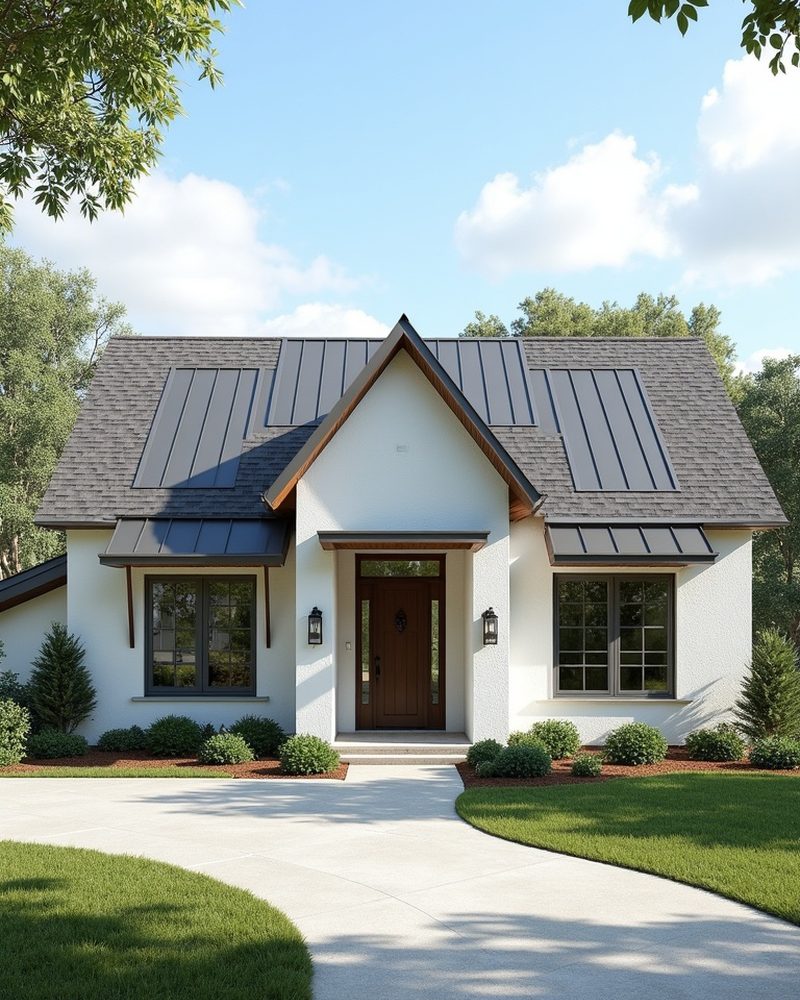
Prepare homes with cost-effective improvements that Atlanta buyers notice. Prioritize repairs and upgrades that impact inspections and financing: roof, HVAC, water heater, electrical panels, and moisture issues in basements or crawl spaces. After systems are sound, focus on curb appeal, a neutral and fresh interior, and high-quality photos. In Atlanta, outdoor living upgrades—porches, decks, and landscaping—often show outsized returns because buyers prize year-round use of exterior space.
Timing and marketing matter. In tighter inventory cycles, well-priced homes that are marketed aggressively with professional photography, video tours, and targeted digital ads get traction fast. In slower periods, buyers can be more selective—so sellers should emphasize unique strengths (finished basements, ADU potential, walkability scores) and consider flexible terms like rent-back or staged closing dates to broaden buyer interest.
For buyers, get financing in order early. A clean pre-approval, clarity on contingency timelines, and a realistic buffer for closing costs and maintenance make offers stronger. Consider local financing options and neighborhood programs that support first-time buyers or renovations. If instant move-in matters, evaluate inventory with updated systems to avoid surprise repair costs after closing.
Investors and second-home buyers should layer cash flow analysis with neighborhood momentum. Look at vacancy trends, local rental demand (near universities, major employers, or transit lines), and short-term rental regulations in Atlanta GA. Factor maintenance, property management, and insurance—especially flood and liability coverage—into long-term yield calculations rather than focusing only on appreciation.
Understand local policy and tax items that affect value. Property tax reassessments, upcoming bond measures for schools, and small-scale zoning changes can shift buyer interest abruptly. Keep an eye on county assessor updates and community plans from the City of Atlanta and nearby municipalities—these signals often precede price movement at a neighborhood level.
Make inspection and disclosure a competitive advantage. Sellers who pre-inspect and disclose known issues reduce friction and build buyer trust. Buyers who know common Atlanta-area problems—drainage, foundation settlement in older neighborhoods, and deferred roof or HVAC upkeep—can make offers with realistic contingencies and negotiate repairs effectively.
When weighing renovations, prioritize long-term value. Kitchens and bathrooms remain high-impact, but energy efficiency upgrades, insulation, and durable exterior materials pay dividends in Atlanta's climate. Keep improvements consistent with neighborhood standards; over-improving for the block rarely produces proportional returns.
If local guidance would make your next move easier, reach out for focused market insight and neighborhood-level analysis. The Rains Team offers tailored support for buyers and sellers across Atlanta, GA. Call 404-620-4571 or visit
www.rainsteamgeorgia.com to see current listings, neighborhood reports, and a plan built for your goals.
Thinking like a neighborhood insider shortens the path to better decisions in Atlanta real estate. Use local data, on-the-ground observation, practical upgrades, and strong transaction readiness to buy smart or sell confidently—today and for years to come.
